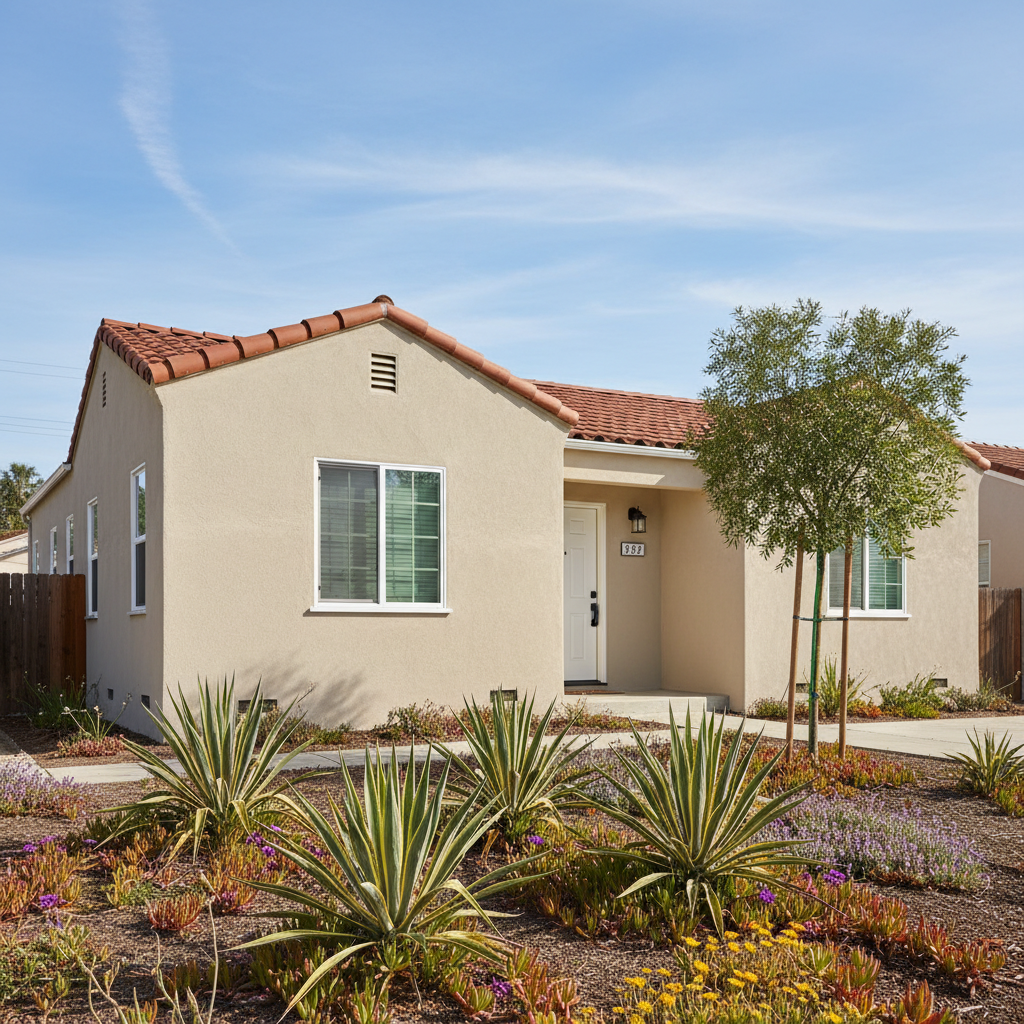
Alright, let's talk about stucco replacement costs. Nobody wants to pay more than they have to, but nobody wants a shoddy job either, especially when it comes to something as important as your home's exterior. You've probably got some stucco that's seen better days – maybe it's cracked, bubbling, or just looking tired. So, what's it going to cost to rip it all off and put up new stuff?
What Makes Stucco Replacement Cost What It Does?
There isn't a single, one-size-fits-all price tag for stucco replacement, and anyone who tells you there is, well, they're probably not being straight with you. A lot of things factor into the final bill. Here's what I look at when I'm putting together a quote:
- The Size of Your Home: This is the big one, obviously. More square footage means more material, more labor, and more time. We're talking about the exterior surface area, not just the footprint of your house.
- The Condition of the Existing Stucco and What's Underneath: If your old stucco is just a little cracked, that's one thing. But if it's completely delaminated, crumbling, or if there's significant water damage underneath (which we often find, especially on older homes in areas like the Mesa Verde neighborhood where original construction might not have had the best flashing), that's going to add to the cost. We might need to replace damaged sheathing, framing, or even deal with mold.
- What Kind of Stucco System You Want: Are we putting back a traditional three-coat system? Or are you looking for something like a synthetic (EIFS) system? Each has different material and labor requirements, you know. Most folks around here stick with the traditional three-coat, which is a solid, proven system.
- How Complex Your Home's Architecture Is: A simple, flat wall is easy. Lots of corners, arches, intricate trim, multiple bump-outs, or high gables? That takes more skill, more time, and more specialized scaffolding, which all costs more.
- How Easy It Is to Get Around: Can we easily get our equipment and materials around your house? Is it a tight lot? Are there lots of bushes or landscaping we need to protect or work around? Two-story homes always cost more per square foot than single-story because of the scaffolding and safety requirements.
- Finish Coat Details: A smooth finish typically costs a bit more in labor than a standard sand finish because it's harder to get perfect. Special textures or custom colors can also affect the price.
- Permits and Dumpster Fees: Don't forget these. You'll need a permit for a full stucco replacement, and we'll need a big dumpster to haul away all that old material.
Typical Cost Ranges in Costa Mesa
Okay, I know you want numbers, so let's get down to it. For a full stucco replacement in Costa Mesa, including tear-off, new lath, new scratch and brown coats, and a finish coat, you're generally looking at a range of $10 to $18 per square foot of wall surface area.
Let's break that down for a couple of common home sizes:
- Smaller Home (e.g., 1,200 sq ft single story, roughly 1,500 sq ft of wall surface): You could be looking at anywhere from $15,000 to $27,000.
- Medium Home (e.g., 2,000 sq ft single story, roughly 2,500 sq ft of wall surface): This project might run you $25,000 to $45,000.
- Larger Home (e.g., 2,500 sq ft two story, roughly 3,500 sq ft of wall surface): For a bigger place, especially with more complexity or height, you might be in the $35,000 to $63,000+ range.
Remember, these are rough estimates. Your specific project could fall outside these ranges depending on the factors I mentioned above, especially if there's significant hidden damage.
What Should a Quote Include?
When you get a quote from Costa Mesa Stucco (or anyone else), make sure it's detailed. It should clearly lay out:
- Scope of Work: What exactly are they tearing off? What's going back on? Is it a full tear-off to the sheathing, or just the finish coat?
- Materials: They should specify the type of lath, paper, scratch coat, brown coat, and finish coat. Brand names are good.
- Prep Work: This includes protecting your windows, doors, landscaping, and driveway.
- Flashing Details: This is crucial. Make sure they specify new flashing around windows, doors, and penetrations. This is where a lot of water problems start if it's not done right.
- Cleanup and Debris Removal: Who's responsible for hauling away the old stucco and keeping the site tidy?
- Permit Costs: Is the contractor pulling the permit, and is the cost included?
- Warranty: What kind of warranty do they offer on their work and materials?
How to Avoid Overpaying
You don't want to get ripped off, and I get that. Here's my advice:
- Get Multiple Bids: Three detailed bids are usually enough. Don't just go with the cheapest one. Compare apples to apples. If one bid is significantly lower, find out why. They might be cutting corners on materials or labor.
- Ask for References: Talk to past clients. See their work.
- Understand the Scope: Make sure every contractor is bidding on the exact same work. If one contractor includes new window flashing and another doesn't, their prices won't be comparable.
- Don't Rush: Take your time to review the quotes and ask questions. A good contractor will be happy to explain everything.
- Beware of Cash Deals: If someone offers a significant discount for cash, that's a red flag. It often means they're trying to avoid taxes or insurance, which leaves you exposed if something goes wrong.
- Check Licenses and Insurance: Always verify that the contractor is licensed and insured. You can look up their license on the CSLB website.
Replacing your stucco is a big investment, but it's one that protects your home and boosts its curb appeal for decades. Do your homework, ask the right questions, and you'll get a fair price for a quality job.