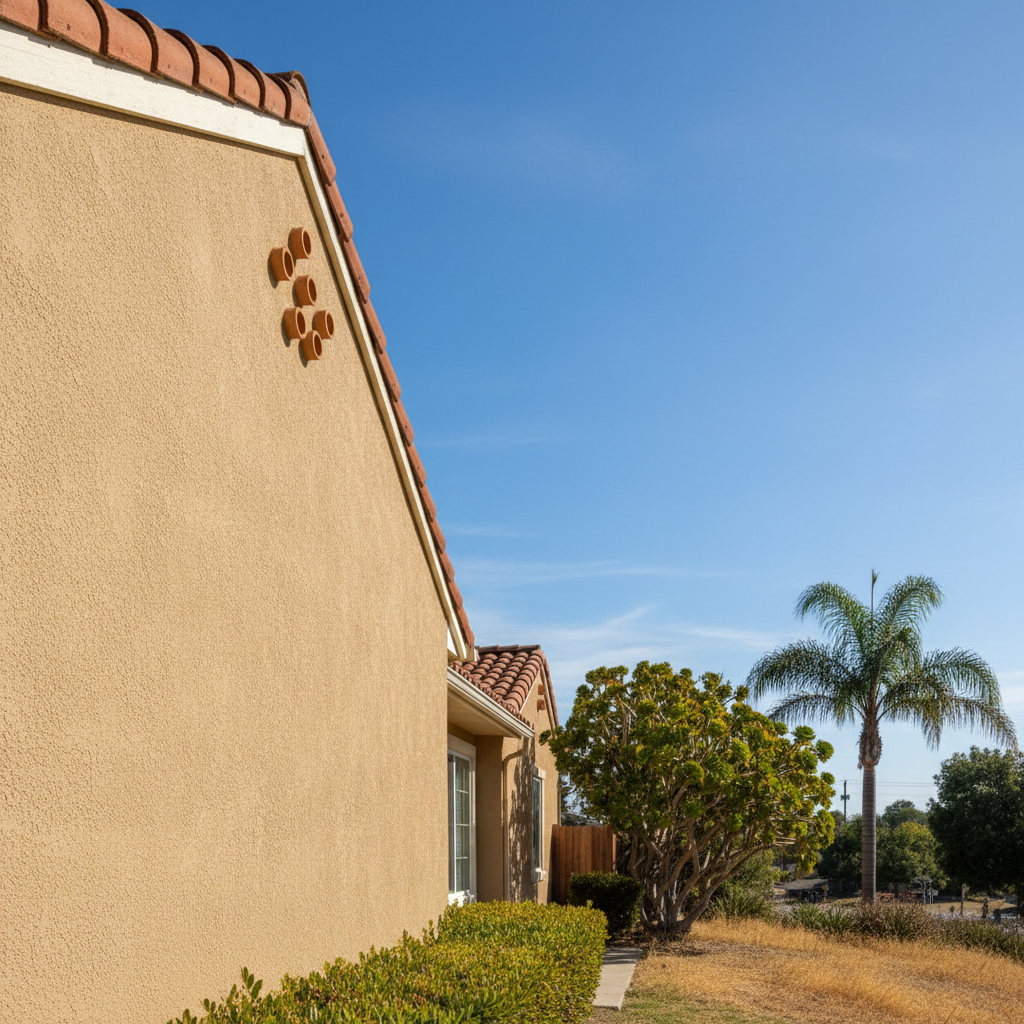
You've got stucco on your home, right? Good choice. It's tough, looks good, and when it's done right, it can last a long, long time. But "lasting a long time" doesn't mean "never touching it." Just like anything else on your house, stucco needs a little love and attention to really go the distance, especially here in Costa Mesa where we get that salty air and occasional crazy rain.
Why Bother with Stucco Maintenance?
Look, I get it. You've got a million things to do. But ignoring your stucco is like ignoring a small leak in your roof — it's going to get worse, cost more to fix later, and honestly, it just makes your house look tired. Regular maintenance isn't just about curb appeal; it's about protecting your home's structure. Stucco is your first line of defense against the elements. If it's compromised, water can get in and cause all sorts of headaches you don't want to deal with – mold, rot, structural damage. Trust me, a little preventative work now saves you a huge headache and a bigger bill down the road.
What Does Regular Maintenance Look Like?
It's not rocket science, but it does take a little consistency. Here's what I tell folks:
Keep it Clean: This is probably the easiest one. Dirt, dust, mildew, and even algae can build up on stucco. A simple wash with a garden hose and a soft brush can do wonders. For tougher spots, a mild detergent and water mix works. Just don't go crazy with a high-pressure washer, though; you can damage the finish or even force water into cracks. Gentle is the key here. Do this once or twice a year, more if your house is under a lot of trees or gets a lot of shade.
Inspect Annually: Take a walk around your house at least once a year, maybe in the spring after the winter rains. Look closely at all the stucco surfaces. Pay extra attention to areas around windows, doors, rooflines, and where different materials meet. These are common spots for issues to start. What are you looking for? Cracks, discoloration, bulging, or anything that just doesn't look right.
Manage Water: Water is stucco's biggest enemy. Make sure your gutters are clean and draining properly, directing water away from your foundation. Check your sprinklers; are they constantly spraying your stucco walls? Adjust them if they are. You don't want water constantly soaking into the stucco, especially not here in areas like Mesa Verde where some of those older homes might have less robust drainage around their foundations.
Trim Foliage: Keep trees and shrubs trimmed back from your stucco walls. Branches rubbing against the stucco can cause abrasion, and dense foliage can trap moisture against the surface, encouraging mildew growth and making it harder for the stucco to dry out properly. Give it some breathing room.
Warning Signs You Can't Ignore
When you're doing your annual inspection, these are the red flags that tell you it's time to act, or at least get a pro involved:
Cracks: Not all cracks are created equal. Hairline cracks are pretty common and often just surface-level. But if you see cracks that are wider than a credit card, or if they're running in a spiderweb pattern, or if they're horizontal and long, those are bigger deals. They can be signs of structural movement or water intrusion.
Discoloration or Staining: Dark streaks, especially under windows or near the roofline, usually mean water is getting in somewhere. Green or black patches? Those could be mold or mildew, which points to a moisture problem.
Bulging or Soft Spots: If you push on the stucco and it feels soft, or if you see areas that are clearly bulging out, that's a serious problem. It means water has likely gotten behind the stucco and is damaging the substrate underneath. This is a call-a-pro-immediately situation.
Efflorescence: This looks like a white, powdery residue on the surface. It's mineral salts left behind when water evaporates from within the stucco. It means water is getting into the wall and then drying out, leaving those salts. It's a clear indicator of a moisture issue.
Pest Activity: Holes or tunnels in your stucco could be from insects like termites or carpenter ants, or even rodents. They love damp, damaged wood behind stucco. If you see this, you've got multiple problems on your hands.
When to Call a Professional (Like Costa Mesa Stucco)
You can handle the cleaning and the basic inspections yourself. But for anything beyond that, you really want to bring in someone who knows what they're doing. Here's when to pick up the phone:
Any significant cracks: If you've got cracks wider than a credit card, or if they're extensive, don't try to patch them yourself with caulk. A pro can assess the cause and repair it properly to prevent future issues.
Water stains or efflorescence: These are symptoms of a deeper problem. We can find the source of the water intrusion and fix it, not just cover up the stain.
Bulging or soft stucco: This is a structural issue. It usually means water has been trapped behind the stucco for a while, and the wood sheathing or framing underneath is compromised. This needs immediate attention to prevent further damage.
Stucco that's just looking old and tired: Sometimes, the stucco is just past its prime. It might be chalky, faded, or have a lot of small, widespread cracks. We can assess if it needs a full re-dash or if a more targeted repair is possible. Getting a professional opinion can save you money in the long run by addressing issues before they become emergencies.
After a major storm: If we get one of those really intense El Niño winters, it's not a bad idea to have a professional do a thorough check, especially if your home is older or you suspect existing issues.
Taking care of your stucco isn't a huge chore, but it is important. A little proactive maintenance goes a long way in keeping your Costa Mesa home protected and looking its best. Don't wait until a small issue turns into a big, expensive headache. Keep an eye on it, and if you see something that worries you, give us a call at Costa Mesa Stucco. We're here to help.