What Exactly is EIFS, Anyway?
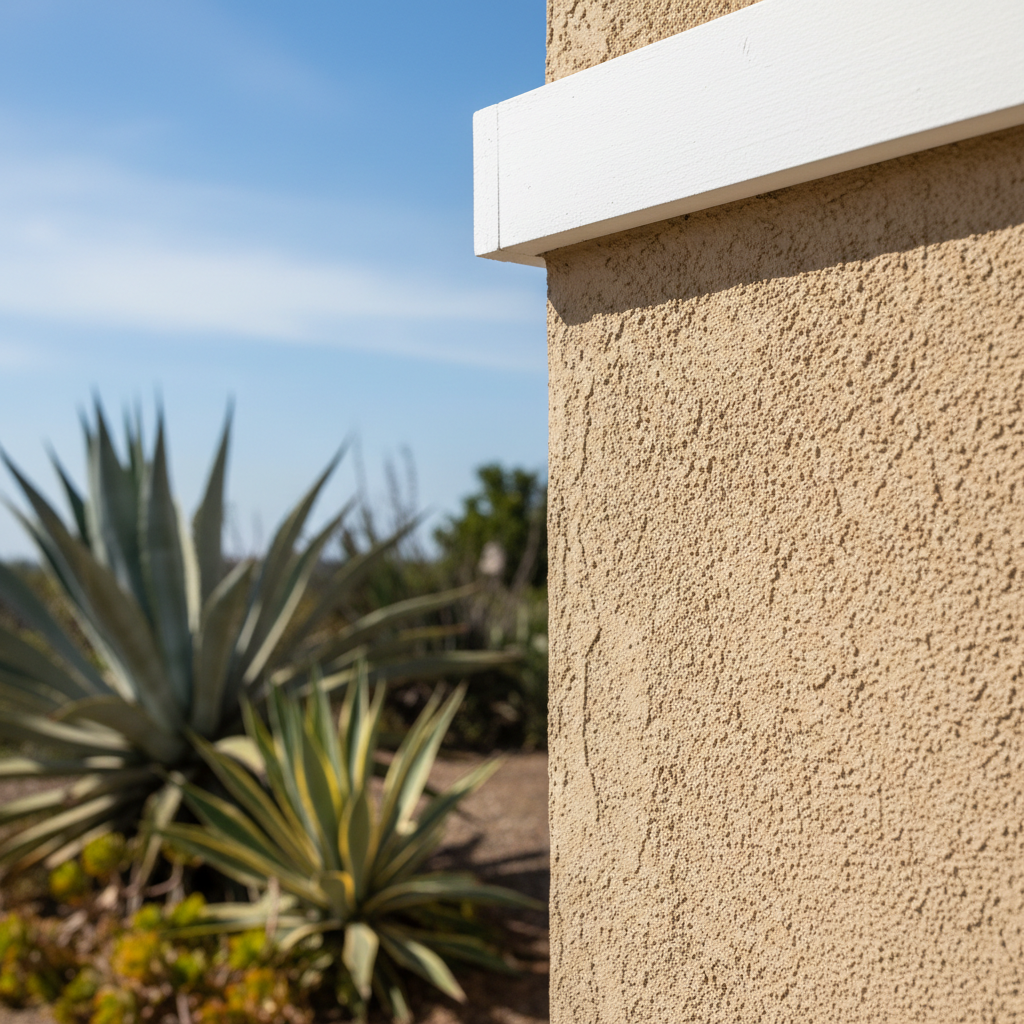
Alright, let's talk EIFS. You've probably heard the term, maybe seen it on houses around town, but what is it really? EIFS stands for Exterior Insulation and Finish System. Think of it as a fancy, high-performance cousin to traditional stucco. It's not just a finish coat; it's a whole system designed to insulate your home and give it a durable, attractive exterior. Typically, you'll find an insulation board (usually foam) attached to your wall, then a base coat with a reinforcing mesh embedded, and finally, a textured finish coat on top. It’s pretty common on commercial buildings, but you see it on more homes now, especially those looking for better energy efficiency.
Now, before we go any further, let's clear something up. EIFS got a bad rap back in the day because of some moisture issues. That was mostly due to poor installation practices and early versions of the system that didn't manage water effectively. Modern EIFS, properly installed with a drainage system, is a completely different beast. It's designed to shed water and handle the elements, even our damp Costa Mesa mornings near the Back Bay.
Before You Start: Planning Your EIFS Project
So, you're thinking EIFS might be right for your home. Good on you for doing your homework! The planning stage is crucial, and honestly, this is where you'll make most of your big decisions. First, figure out your goals. Are you looking for better insulation? A fresh new look? Or both? EIFS can deliver on all those fronts, but knowing what you want helps narrow down your options.
Next, think about the aesthetics. EIFS comes in a huge range of colors and textures. You can get it to look like traditional stucco, brick, stone, or even custom designs. This is where you can really get creative. Grab some samples, drive around Costa Mesa, look at houses you like. Don't rush this part; you'll be looking at it every day.
Now, about the DIY aspect. Can you do some of the prep work yourself? Absolutely. Cleaning the existing exterior, removing old trim, clearing the work area – these are things you can definitely handle. You might even be able to do some minor repairs to the substrate if you're handy. But when it comes to the actual installation of the EIFS system? That's where you need to seriously consider calling in a pro. This isn't a weekend warrior project. The layers have to be applied correctly, the drainage needs to be spot on, and the detailing around windows and doors is critical. Mess that up, and you're asking for trouble down the line.
During Installation: What to Expect and When to Step In
If you've decided to hire a professional – and for EIFS, I really recommend it – what should you expect? Once the crew from Costa Mesa Stucco or another reputable company gets started, things move pretty quickly. They'll prepare the walls, making sure they're clean, dry, and sound. Then comes the insulation board. They'll attach it firmly to your home, often with adhesive and mechanical fasteners. This is where you start seeing the shape of your new exterior take form.
After the insulation, they'll apply the base coat, embedding a fiberglass mesh into it. This mesh is super important; it gives the system its strength and crack resistance. Then comes the finish coat, which is where the color and texture you picked out come to life. Throughout this process, a good contractor will be paying close attention to details, especially around openings like windows and doors. Proper flashing and sealants are non-negotiable for preventing water intrusion.
What can you do during this phase? Stay out of the way, mostly! But do keep an eye on things. Ask questions if you have them. Make sure the colors and textures match what you approved. If you see something that doesn't look right, speak up. A good contractor will appreciate your engagement and address any concerns. You're the homeowner, and it's your investment, after all.
After the Project: Keeping Your EIFS Looking Good
Okay, the dust has settled, your home looks fantastic, and you're enjoying those lower energy bills. Now what? EIFS is pretty low maintenance, but it's not no maintenance. Just like any exterior, it'll get dirty over time. A simple wash with a garden hose and a soft brush can usually take care of most grime. For tougher spots, a mild detergent and water mixture works wonders. Avoid high-pressure washers; they can damage the finish.
The most important thing you can do for your EIFS is regular inspections. Walk around your house a couple of times a year. Look for any cracks, dings, or areas where the finish might be compromised. Pay special attention to areas around windows, doors, and where different materials meet. If you spot any damage, even small stuff, get it repaired quickly. Small cracks can turn into big problems if water gets in. This is another area where you might be able to handle minor touch-ups yourself if you're comfortable, but for anything significant, call your contractor. They know the system and can make sure repairs are done correctly, maintaining the integrity of your EIFS.
EIFS is a great choice for many Costa Mesa homes, offering excellent insulation and a beautiful, durable finish. Just remember, while you can handle some parts of the process, the installation itself is best left to the pros. It’s an investment, so make sure it’s done right.